SOLAR POWER AT CHU LAI INTERNATIONAL PORT: REDUCING COSTS, INCREASING BENEFITS FOR CUSTOMERS
In March 2026, Chu Lai International Port officially put its first solar power system into operation, marking a shift in applying clean energy to port operations. The project not only contributes to reducing operating costs but also creates a foundation for the port to implement practical support policies, bringing direct benefits to customers.
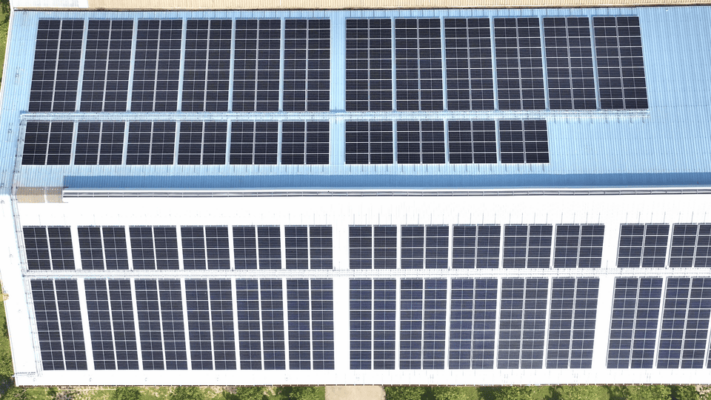
The project is implemented in 3 phases, with a total expected capacity reaching 5,100 kWp. In which, phase 1 is implemented in 2 consecutive stages in 2026. Specifically, stage 1 started in January 2026 with a capacity of 700 kWp on an area of nearly 5,000 m2. Following that, in April 2026, the port implemented stage 2 with an expanded scale of 800 kWp on an area of more than 7,200 m2. After completing both stages, the total capacity of phase 1 reached 1,500 kWp with about 2,300 solar panels, and the expected electricity output is about 2.1 million kWh/year
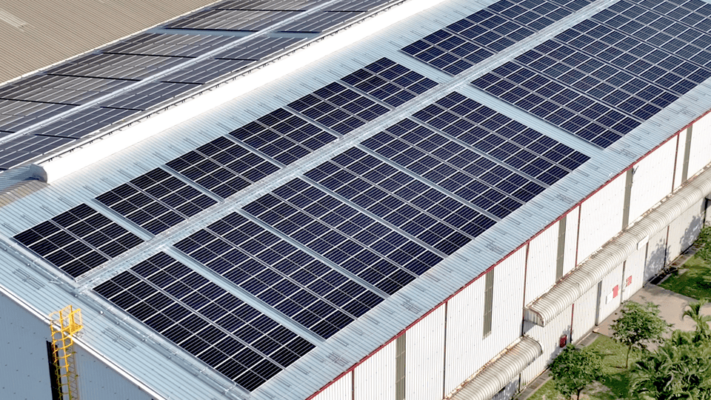
In the next phases, the port will continue to invest and expand with a total additional capacity reaching 3,600 kWp (equivalent to an electricity output of over 5 million kWh/year), implemented on a large scale at the existing warehouse system and infrastructure. When completed, the total solar power capacity at Chu Lai International Port will meet the entire electricity supply demand for operations, especially the refrigerated container system and the agricultural logistics chain.
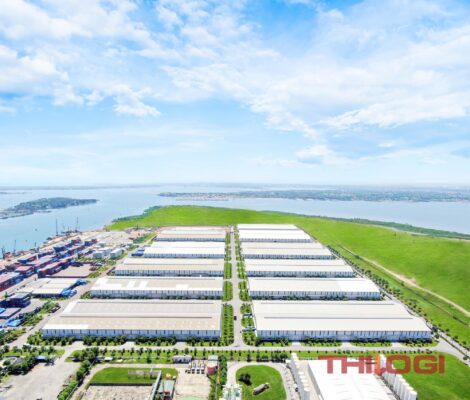
With a total area of 140 hectares, in which the warehouse area accounts for about 20 hectares, Chu Lai International Port has a great advantage to develop rooftop solar power. Combined with the weather conditions in the Central region with high sunshine hours and good radiation, this system creates a stable power source, helping to maintain continuous loading, unloading, and storage of goods, limiting the risk of disruption in operations. Proactively using on-site power helps the port significantly reduce electricity costs – one of the major cost components in port operations, especially for the operation of refrigerated containers and warehouse systems. Thereby, creating an important basis for the port to implement more flexible and competitive pricing policies for customers.
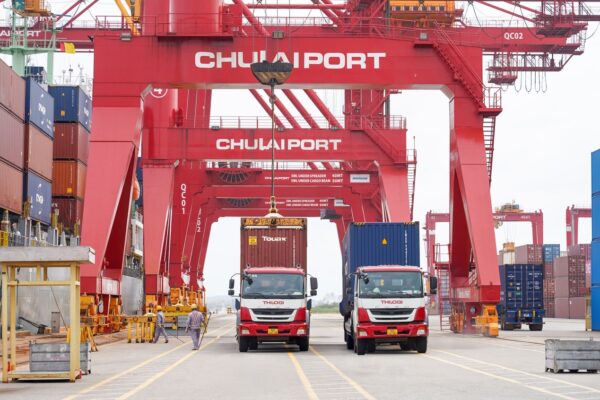
Chu Lai International Port aims to maintain stable service unit prices in the long term, minimizing the impact from fluctuations in fuel and electricity prices; at the same time optimizing costs for storage, refrigerated container operation, and related logistics services, helping import-export businesses – especially in the field of agricultural products – reduce supply chain cost pressure and increase business efficiency.
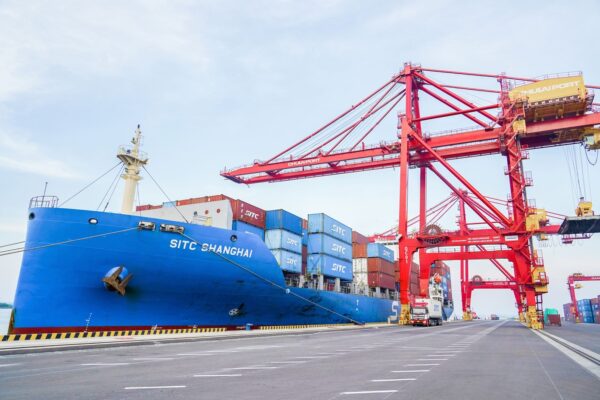
Not only bringing benefits in terms of costs, the project also contributes to reducing greenhouse gas emissions, reducing dependence on traditional energy sources, and gradually realizing the goal of green port development. This is one of the specific solutions to improve the overall competitiveness of Chu Lai International Port in the context that the logistics industry is shifting strongly towards sustainability.
In the context of continuously increasing energy costs and increasingly high requirements for emission reduction, investing in a solar power system is not only a technical solution but also a long-term strategy, helping Chu Lai International Port proactively manage resources, accompanying customers to optimize costs and develop sustainably.